Top 21 Engagement Plates to Complete Your Ceremony

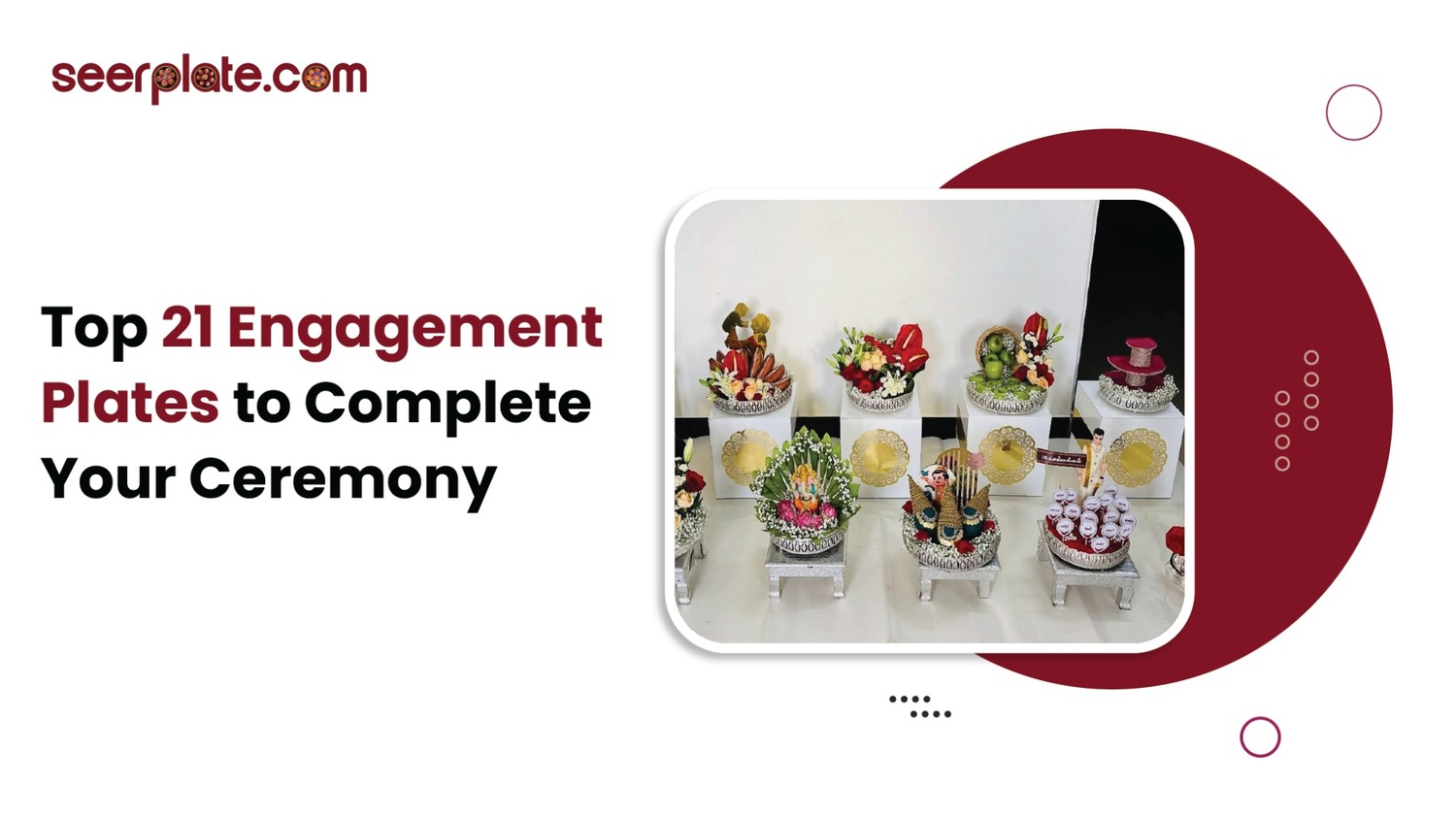
An engagement ceremony is one of the most significant milestones in a couple’s life, marking the start of their journey together. The preparations for the event often include a beautiful display of rituals, traditions, and cultural symbolism. One key aspect of engagement ceremonies is the preparation and arrangement of engagement plates, or Seer Varisai Plates, which are used to present offerings, gifts, and ceremonial items to the couple.
These plates are symbolic of prosperity, unity, and the blessings of the family and community. In traditional cultures, especially in South India, these plates are arranged meticulously, each holding a specific meaning and purpose. The right combination of items on these plates can transform the entire ceremony into a memorable experience.
In this blog, we’ll walk you through the top 21 engagement plates that will not only complete your ceremony but also carry deep cultural significance.
1. Traditional Plate (Seer Varisai Thattu)
The first plate you’ll need is the Seer Varisai Plates. This plate holds the most significance in the engagement ceremony. It’s the plate on which you’ll place the key engagement items, such as kumkum, turmeric, betel leaves, betel nuts, and coins. These are traditional offerings meant to bring prosperity and blessings to the couple.
2. Sweets Plate
A plate full of traditional sweets is essential for any engagement ceremony. Jalebi, kaju katli, laddu, or mysore pak are commonly placed on this plate. Sweets symbolize joy and the sweetness of the new relationship. It’s important that these sweets are fresh and flavorful, leaving a lasting impression on your guests.
3. Fruit Plate
Fruits symbolize abundance and vitality. A plate filled with seasonal fruits like bananas, mangoes, oranges, and apples not only adds color to the ceremony but also signifies the fertility and growth of the couple’s future life together. You may also include coconut, a common offering in South Indian traditions.
4. Silver Plate
A silver plate holds great cultural significance, as silver is considered a metal of purity and wealth. The silver plate is used to present jewelry, coins, or small gifts for the bride and groom. It’s also a common plate for coins, which are used to symbolize wealth and prosperity in the couple’s new life.
5. Coconut Plate
The coconut plate is a must-have in any engagement ceremony. Coconuts are revered in Indian culture and are believed to ward off negative energy. A whole coconut, along with betel leaves and betel nuts, is placed on the plate for blessings from the divine.
6. Flower Plate
Flowers are essential for any Indian ceremony. A flower plate is used to hold beautiful, fresh marigolds, jasmine, and lotus petals. These flowers are used for the auspicious kumkum ceremony and to decorate the engagement area. They symbolize purity, beauty, and divine blessings.
7. Silver Coins Plate
Silver coins are given as a sign of prosperity and good fortune. In some engagements, these coins are placed on a separate plate to be presented to the couple, symbolizing the wealth and prosperity they will enjoy throughout their married life.
8. Betel Leaf Plate
Betel leaves have symbolic value in Hindu culture, representing strength and vitality. The betel leaf plate is typically filled with betel leaves, betel nuts, and sometimes cardamom. These are presented to the couple as part of the engagement ceremony to bless their union with strength and good health.
9. Groom’s Plate
The groom’s plate is a special plate prepared for the groom, typically filled with fruits, sweets, turmeric, and kumkum. It’s given to the groom’s family and is an important part of the engagement ritual, signifying the groom’s new life ahead.
10. Bride’s Plate
Similarly, the bride’s plate is arranged for the bride and contains items like sweets, fruits, betel leaves, and kumkum. It symbolizes her transition from one life to another and is often presented to her family during the ceremony.
11. God’s Plate (Pooja Plate)
Before the engagement rituals can begin, prayers are offered to the gods. A pooja plate is used to present offerings like flowers, incense sticks, camphor, and prayers. This plate is important for seeking divine blessings for the couple’s union.
12. Jewelry Plate
In many engagement ceremonies, the bride and groom exchange jewelry as part of the tradition. The jewelry plate is used to display the engagement rings, necklaces, earrings, and bangles. It’s a beautiful way to showcase these precious gifts and mark the couple’s commitment to each other.
13. Rice Plate
Rice is considered a symbol of wealth and abundance in many cultures. A rice plate is filled with raw rice and often adorned with a few coins or betel leaves. It represents the couple’s journey towards prosperity and sustenance in the future.
14. Camphor Plate
In Hindu traditions, camphor is used in rituals for purification. The camphor plate holds pieces of camphor that are lit during the engagement ceremony to remove any negativity and bring positivity into the union.
15. Turmeric Plate
Turmeric is a symbol of auspiciousness and prosperity. The turmeric plate is used to place turmeric sticks, which are used during various parts of the engagement ceremony, from the kumkum application to the bridal rituals. It signifies a healthy, happy life.
16. Oil Lamp Plate
The oil lamp plate holds traditional diyas (oil lamps) that are lit during the ceremony. Lighting a lamp symbolizes the triumph of light over darkness and good over evil. The lamp plate is an essential part of the engagement ritual, adding to the ambiance and spiritual significance of the event.
17. Nuts Plate
A nuts plate filled with cashews, almonds, pistachios, and other dry fruits is common in engagement ceremonies. Nuts symbolize fertility, longevity, and vitality, all of which are hoped for in the couple’s married life.
18. Perfume Plate
Perfumes are believed to carry good fragrance and positive energy. A perfume plate is used to present different traditional oils and perfumed sprays, which are applied during the engagement ceremony to bless the couple with a fragrant life ahead.
19. Silver Tray Plate
A silver tray plate is a versatile piece often used to carry other plates and items. The silver tray may contain a collection of gifts for the couple or be used for serving traditional drinks like tender coconut water or sweet lassi during the ceremony.
20. Puffed Rice Plate
Puffed rice is used in rituals to symbolize purity and innocence. The puffed rice plate holds a small amount of puffed rice, which is used during the tilak ceremony or as an offering during prayers for a prosperous and blessed union.
21. Blessing Plate
Finally, a blessing plate is reserved for the family and friends who wish to extend their warm wishes to the couple. This plate is typically filled with small tokens of love, including chocolates, coins, flowers, or gifts. It’s a wonderful way to bring everyone together and celebrate the love and blessings surrounding the couple.
Conclusion
The engagement ceremony is a beautiful occasion filled with love, joy, and the promise of a bright future together. The 21 engagement plates mentioned in this blog are integral to the traditional rituals that symbolize prosperity, health, and blessings. These plates, each with its own significance, bring a sense of purpose and meaning to the event, making it a memorable occasion for everyone involved.
Whether you’re planning a grand engagement ceremony or a more intimate one, the careful arrangement of these plates will enhance the beauty and spirituality of the occasion. Remember, the significance of each item placed on these plates is just as important as the love and commitment shared between the couple, ensuring that their journey together is blessed with happiness, health, and success.

Related Posts
How to Arrange Thattu Varisai for Traditional Functions
October 17, 2025