What Are the Seer Plates Used in a Bride-Seeing Ceremony?

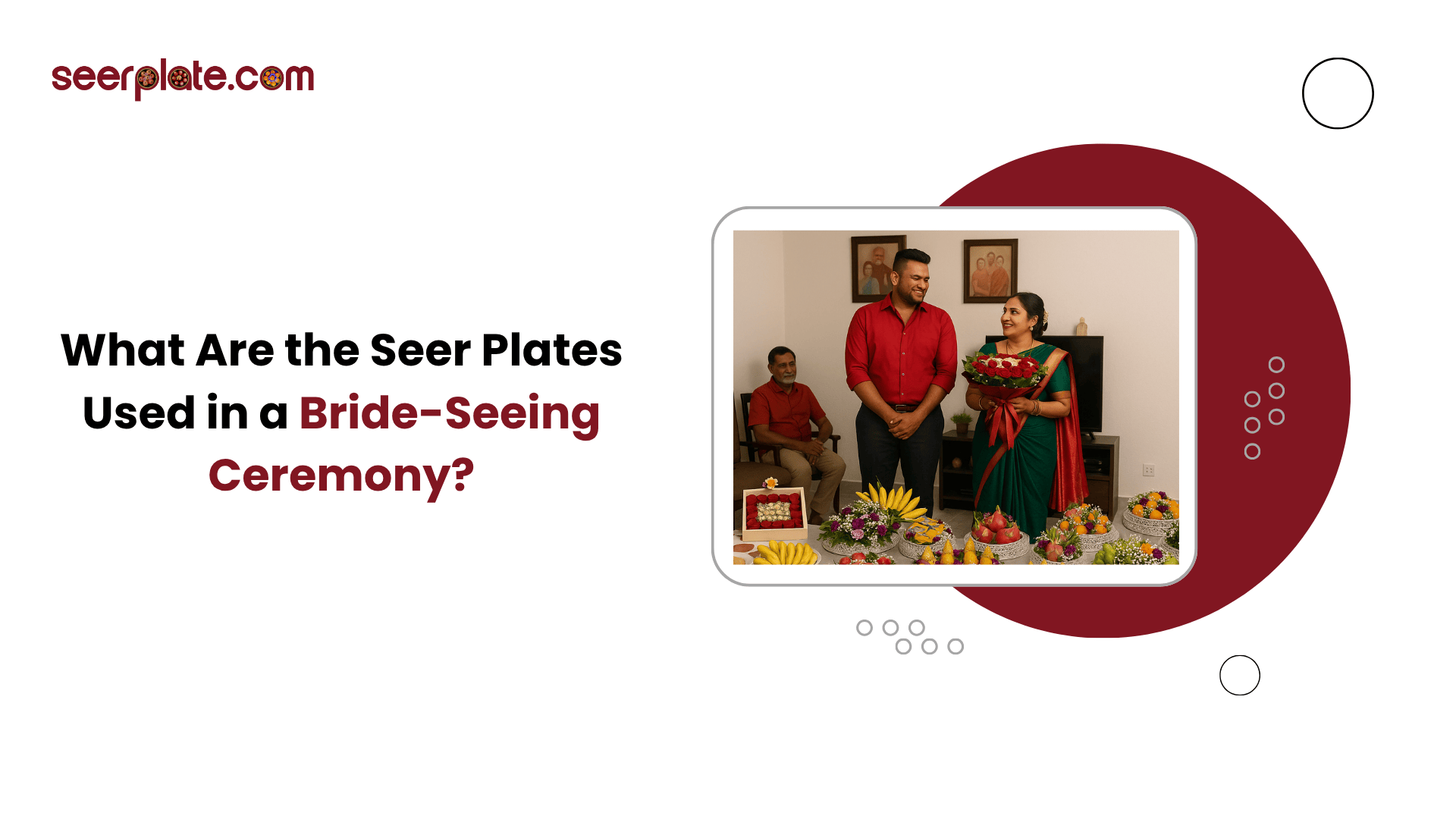
In Tamil culture, weddings are much more than a union of two individuals; they are a celebration of family, tradition, and auspicious rituals. One of the most cherished pre-wedding customs is the Bride-Seeing Ceremony, locally called Pen Paarkkum Padalam. During this event, the groom’s family visits the bride’s home, formally “sees” her, and begins marriage discussions.
A key part of this ceremony is the offering of seer varisai plates, decorated plates filled with meaningful items. These offerings carry blessings and good wishes for the bride and her family, symbolizing prosperity, respect, and love.
What Is a Bride-Seeing Ceremony?
The Bride-Seeing Ceremony is a highly anticipated pre-wedding event in Tamil households. During this ritual:
- The groom’s family formally visits the bride’s home.
- Both families interact, discuss marriage prospects, and ensure compatibility.
- Rituals and symbolic gestures, including the presentation of ceremonial plates, are performed to mark the occasion as auspicious.
The ceremony is not only about evaluating the bride but also about celebrating cultural values, building relationships, and starting the wedding journey on a positive note.
What Do the Seer Varisai Thattu Contain?
The offering trays presented during the ceremony are carefully arranged with auspicious items. While there may be slight regional differences, some essentials are consistently included:
1. Fruits
Fresh fruits such as bananas, mangoes, and apples symbolize abundance, fertility, and sweetness in life, reflecting wishes for a prosperous and happy married life.
2. Sweets
Traditional sweets like laddu, mysore pak, or burfi represent joy, happiness, and the sweetness of new beginnings. Sharing these treats also signifies good fortune for the bride and her family.
3. Betel Leaves and Nuts
Betel leaves and areca nuts are considered auspicious offerings that bring good luck and prosperity to the bride’s new journey.
4. Turmeric and Kumkum
Turmeric (Manjal) and red vermillion (Kumkum) symbolize purity, sanctity, and blessings. These items are sometimes applied to the bride during the ceremony as part of the rituals.
5. Decorative Items
Small lamps, flowers, or coins improve the visual appeal and ceremonial significance. They make the offering tray more festive and auspicious.
6. Gifts for the Bride
Clothes, jewellery, or small tokens of love may be included, adding a personal touch to the traditional offerings.
7. Traditional Snacks
Regional snacks such as murukku or mixture represent hospitality and sharing of culture, highlighting the richness of Tamil culinary traditions.
How the Seer Varisai Plates Are Prepared
Proper preparation ensures the trays are both aesthetic and meaningful. Here’s a step-by-step guide:
- Plan Ahead: Create a checklist of essential items.
- Select Items Thoughtfully: Choose fruits, sweets, betel leaves, nuts, turmeric, kumkum, and small gifts.
- Arrange Neatly: Use decorative trays, placing items in an orderly manner and adding flowers or ribbons.
- Add Final Touches: Small lamps or coins can improve visual appeal and auspiciousness.
Presentation During the Ceremony
The offering trays are presented with care and respect:
- Ceremonial Offering: The groom’s family hands the tray to the bride’s family.
- Exchange of Blessings: The bride and her family receive the items, often accompanied by prayers.
- Ritual Significance: Turmeric, kumkum, and lamps may be used in minor rituals.
- Strengthening Bonds: This exchange fosters mutual respect and understanding between families.
Cultural Significance
These traditional trays carry deep symbolic meaning:
- Prosperity: Fruits, sweets, and coins symbolize abundance and wellbeing.
- Blessings for the Bride: The offerings convey good wishes for happiness and a fulfilling married life.
- Family Bonds: The ritual strengthens trust, friendship, and understanding between the families.
- Preserving Tradition: It honors Tamil cultural heritage, keeping ancient customs alive.
Regional Variations
Across Tamil Nadu and other South Indian communities, the contents and presentation may vary:
- Northern Tamil Nadu: Emphasis on sweets and decorative lamps.
- Southern Tamil Nadu: Focus on betel leaves, turmeric, and regional snacks like murukku.
- Modern Adaptations: Personalized gifts, eco-friendly trays, or themed decorations.
These variations showcase the rich diversity of Tamil traditions while maintaining the core meaning of blessing the bride.
Modern Adaptations
Modern families often add creative touches to the ceremonial trays:
- Customized Gifts: Personalized keepsakes or small tokens for the bride.
- Themed Decoration: Color-coordinated flowers and ribbons.
- Eco-Friendly Items: Reusable trays and organic offerings.
- Minimalist Arrangements: Focusing on meaningful items without overcrowding the tray.
Even with modernizations, the essence of blessing, respect, and tradition remains intact.
Tips for Preparing the Offerings
Here are practical tips to make the ceremony meaningful:
- Plan Ahead: Check your list to avoid missing essentials.
- Focus on Meaning: Prioritize items with symbolic or personal value.
- Presentation Matters: Use decorative trays, flowers, and neat arrangements.
- Add Personal Touches: Include small gifts, notes, or keepsakes.
- Respect Tradition: Keep essential items like turmeric, kumkum, betel leaves, and nuts.
Frequently Asked Questions
Q1: Can modern gifts replace traditional items?
A1: Personalized gifts are welcome, but essential traditional offerings should be included.
Q2: Who presents the trays?
A2: Usually, the groom’s parents or elders present the offerings as a mark of respect.
Q3: Can the ceremony be simplified for smaller gatherings?
A3: Yes, the ritual can be adapted while keeping key symbolic items intact.
Conclusion
The Bride-Seeing Ceremony is a treasured Tamil tradition, and the ceremonial trays form a central part of making this event meaningful and auspicious. Each item on the tray,whether fruit, sweet, or decorative token, carries blessings, goodwill, and cultural significance.
By arranging these offerings thoughtfully and presenting them respectfully, families honor tradition while adding a personal touch. Whether following a traditional approach or incorporating modern adaptations, the plates remain a timeless symbol of love, respect, and prosperity for the bride’s journey ahead.
Next time you attend or organize a Bride-Seeing Ceremony, remember that each item on the tray is more than a ritual, it’s a gesture of affection, blessings, and heartfelt wishes for the bride’s future.

Related Posts
Tips to Decorate Sweet Hampers for Puberty Functions
October 9, 2025
What Are the Best Seer Varisai Decoration Ideas?
July 7, 2025